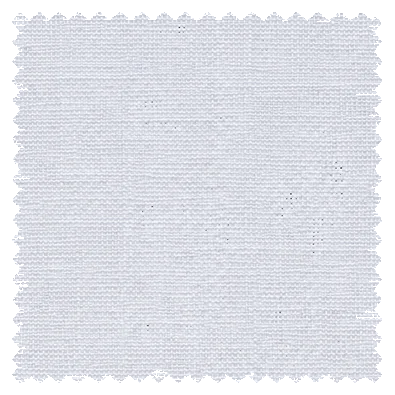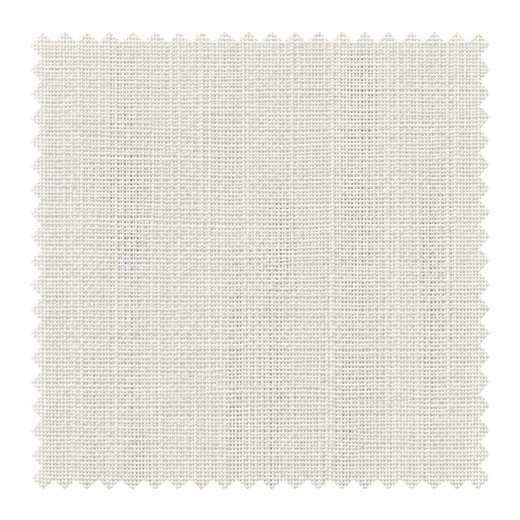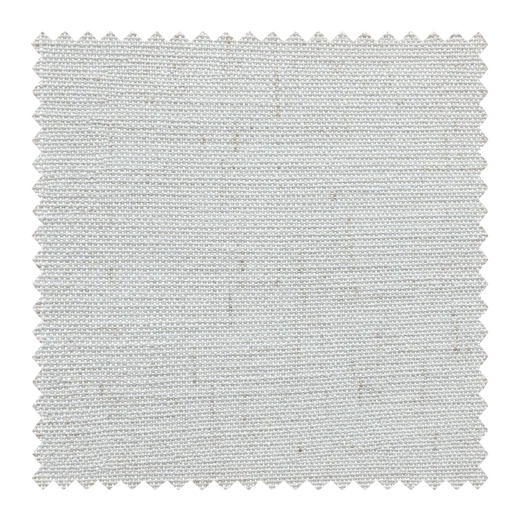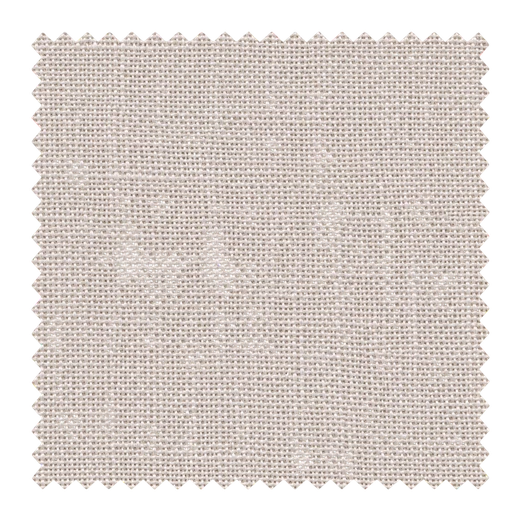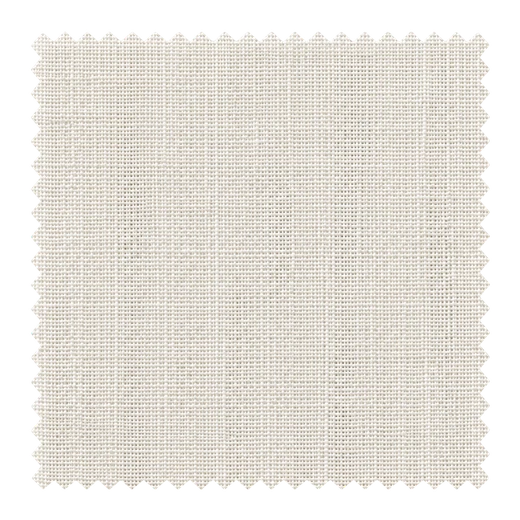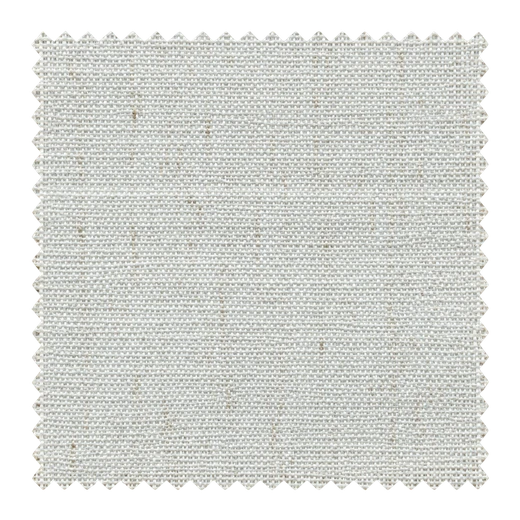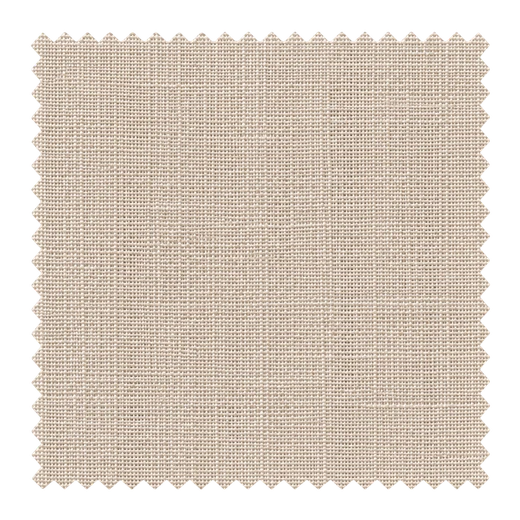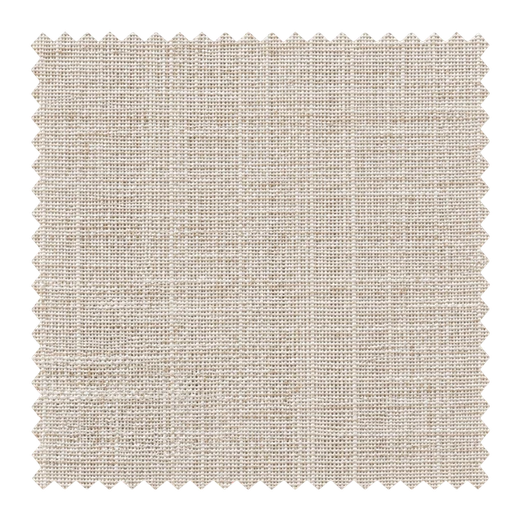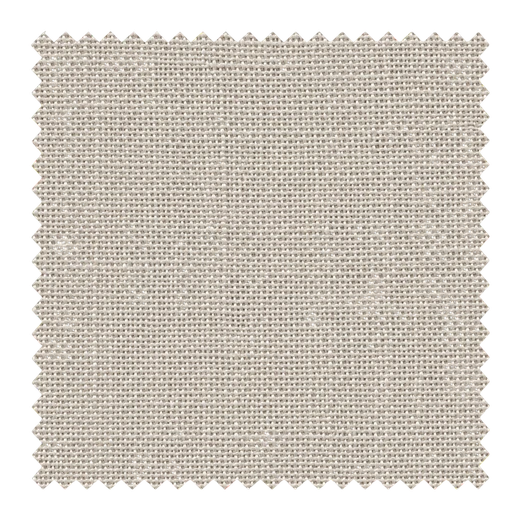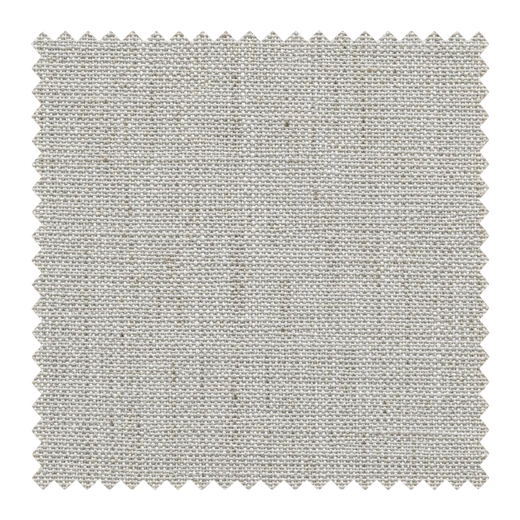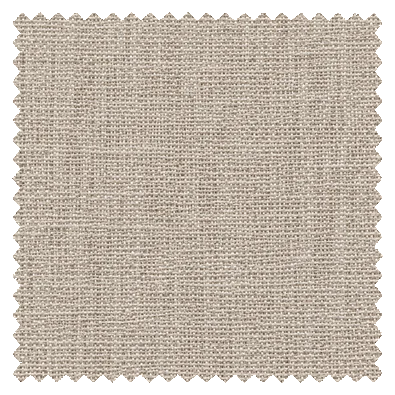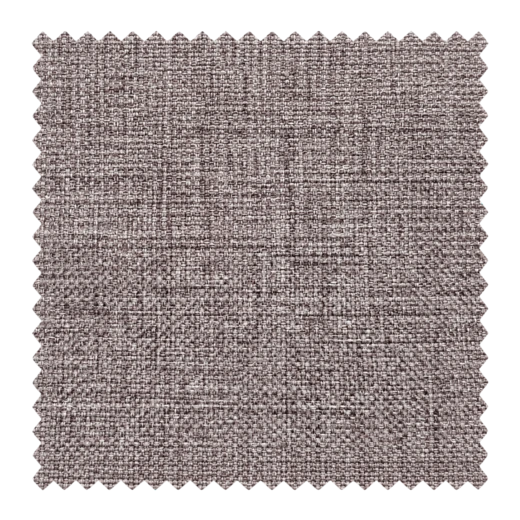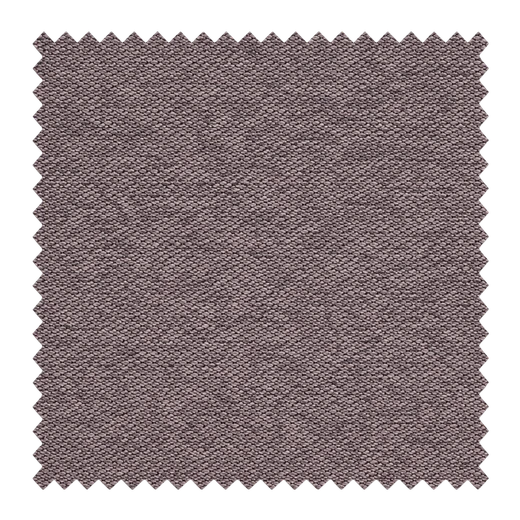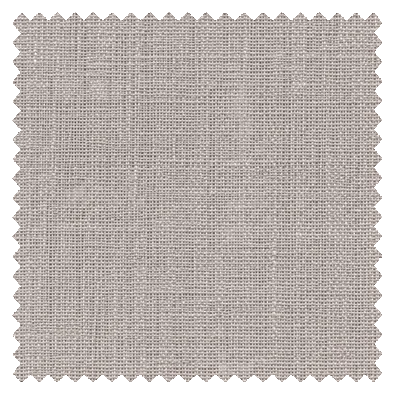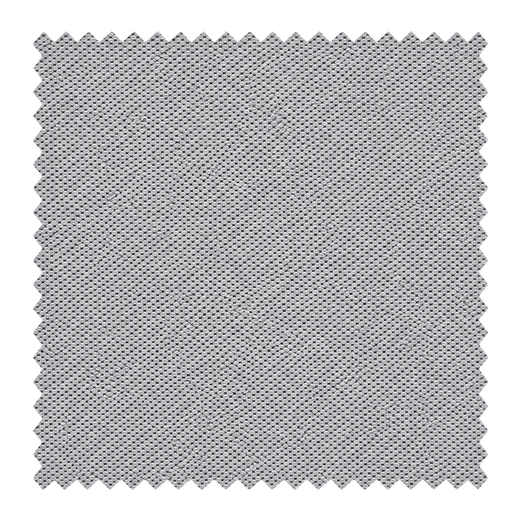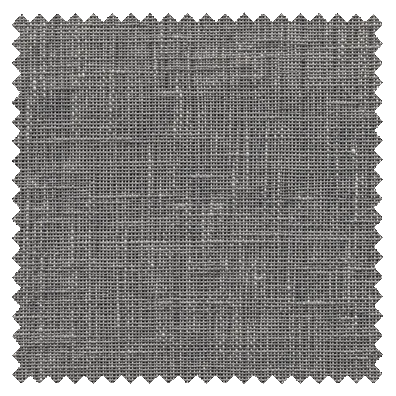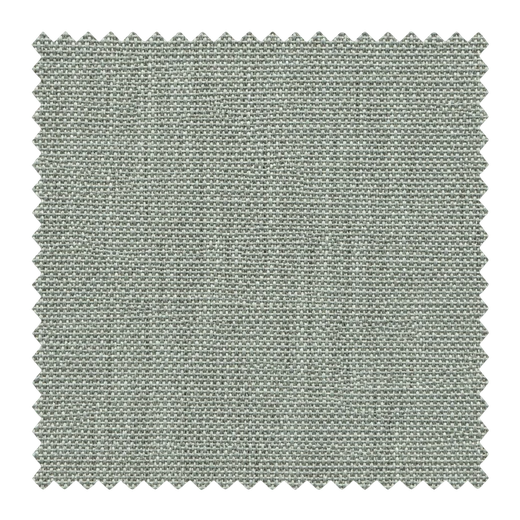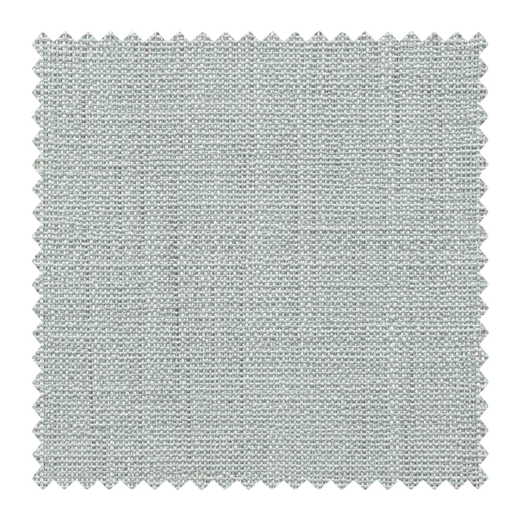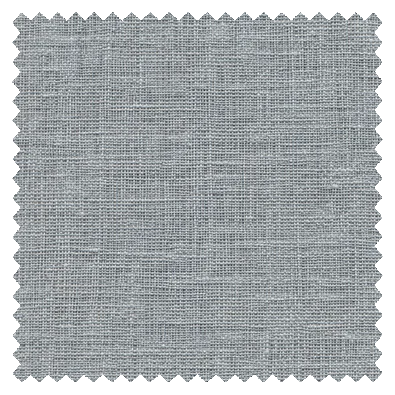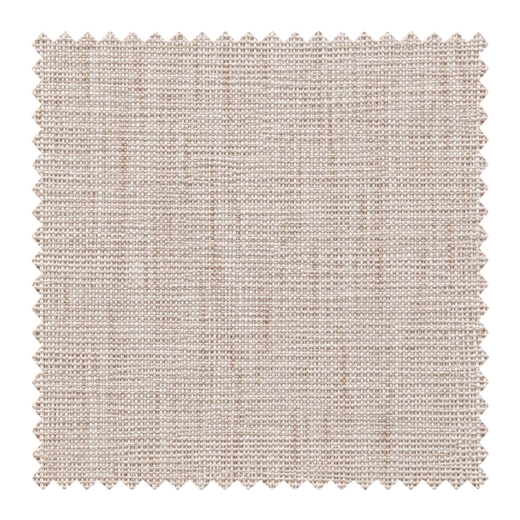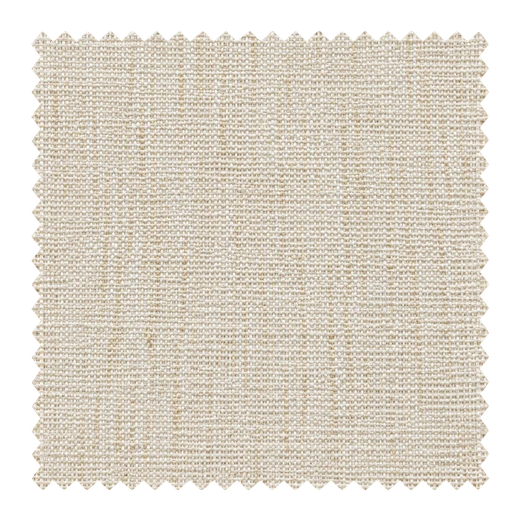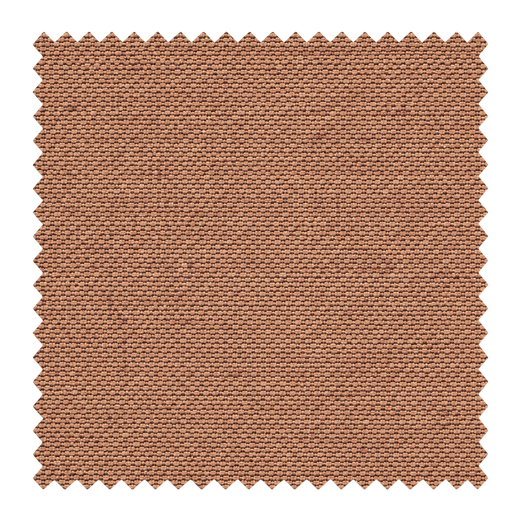
White and cream white
Fresh with a dark window frame. Cream white looks a little warmer than bright white. Also hold the sample next to your white wall: that is where you see the difference clearly.
Which colour suits you?
Which colour should you choose for your wave curtains? Compare white, ecru, beige, sand and other shades. See what a light or dark fabric does at your window.
The colour numbers are shown with the fabrics. This lets you find your sample again when ordering.
Already chosen? Design your curtain →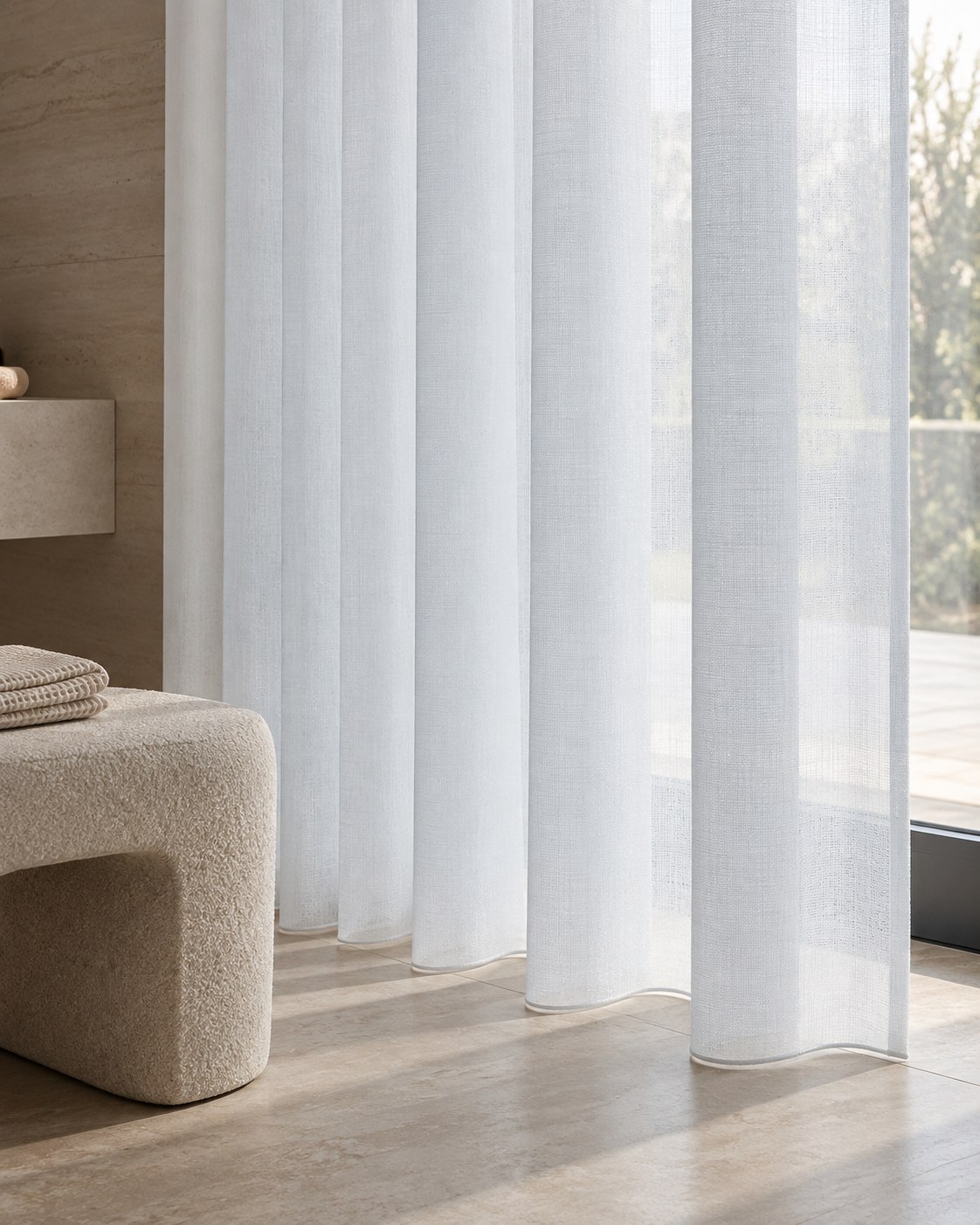
From light to dark, with a touch of colour
Our collection consists mainly of popular shades that are easy to combine with your interior. Below you can see a selection. Our fabrics page shows all available colours per fabric.
Fresh with a dark window frame. Cream white looks a little warmer than bright white. Also hold the sample next to your white wall: that is where you see the difference clearly.
Light shades with a warm undertone. Beautiful next to wood and soft wall colours. Ecru and ivory can differ per fabric.
A calm colour for a large window. Compare sand with beige and natural next to your floor. One shade is a little more yellow, the other a little greyer.
Taupe sits between grey and brown. Brown makes the curtain stand out more next to a light wall. Within this group there are also light and dark shades.
From light grey to a dark curtain. See how the sample suits your window frame and floor. A light grey shade can look warmer or cooler in your room.
Green gives a large window colour. Mint is lighter and softer. You will find both shades in our blackout collection; the fabric lets no light through in any of the colours.
A blue shade with grey in it. Voile 132 blue grey lets daylight through and keeps the colour a little softer than an opaque curtain.
Soft pink and soft yellow are light colours from the blackout collection. Rust is a warmer, deeper shade from our dim out collection.
Colour does more than you think
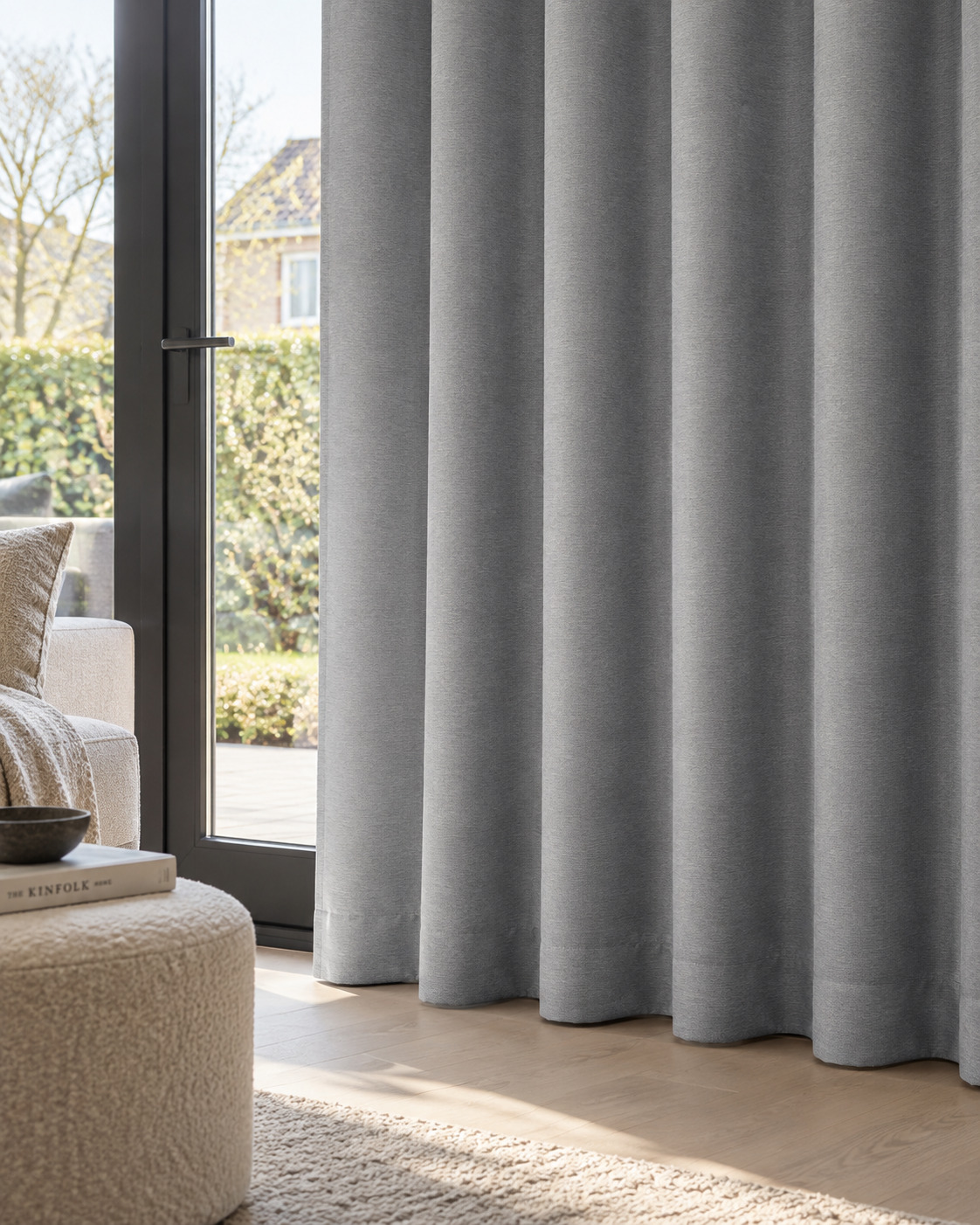
With our dim out fabric, dark colours have more black thread in the weave and therefore darken more. The fabric blocks approx. 75–85% of the light, depending on the colour.
Want no light through the fabric? Then blackout is suitable even in a light colour. Light can, however, come in around the edges of a curtain.
Compare dim out and blackout →With comparable fabrics, a light colour on the window side usually reflects more sunlight than a dark colour. Dark fabric, on the other hand, absorbs more of the sun’s heat. How much heat enters the room also depends on the weave, the glass and the positioning. So a light colour alone is no guarantee of a cool room.
With beige, sand and ecru, slight fading may be less visible than with a deep, dark colour. That does not mean that every light fabric fades less quickly. The fibres, the dye and the amount of sunlight also play a part.
In the fabric details you will find the lightfastness: how well a fabric keeps its colour when exposed to light.
At your own window
A beige sample can look different next to a white wall than next to a wooden floor. Also look at the colour of your window frame.
Daylight and lamplight make a difference. Also hold the sample in front of the window to see how much light the fabric lets through.
Number 01 can appear with different fabrics. So order, for example, Inbetween 01 white, including the fabric name.
White usually looks brighter. Ecru is a warm, light shade; sand contains more beige. The exact colour differs per fabric. So compare real samples at your window.
A slightly lighter or darker beige shade can blend in nicely. White, ecru or taupe are also options. If you want more contrast, look at green or blue grey. Your floor and window frame help with the choice.
No. The fabric type determines that. Light voile lets plenty of daylight through, while light blackout fabric lets no light through. With light filtering fabrics, people outside can see in during the evening with the lamps on. So first choose how much light and privacy you want, and then the colour. Compare the light filtering fabrics.
In our collection, linen is used as a colour name. That does not mean the fabric is made of 100% linen. The composition is shown per fabric on our fabrics page.
You can match shades from two fabric types. The same colour name or number does not mean that two different fabrics are exactly the same. Look at the samples together and check the space for two curtain layers.
Take the colours home
Choose up to 12 free fabric samples. Already chosen your colour? On the product page you design your made to measure wave curtain.
Also see the wave curtain inspiration →From fabric sample to made to measure